
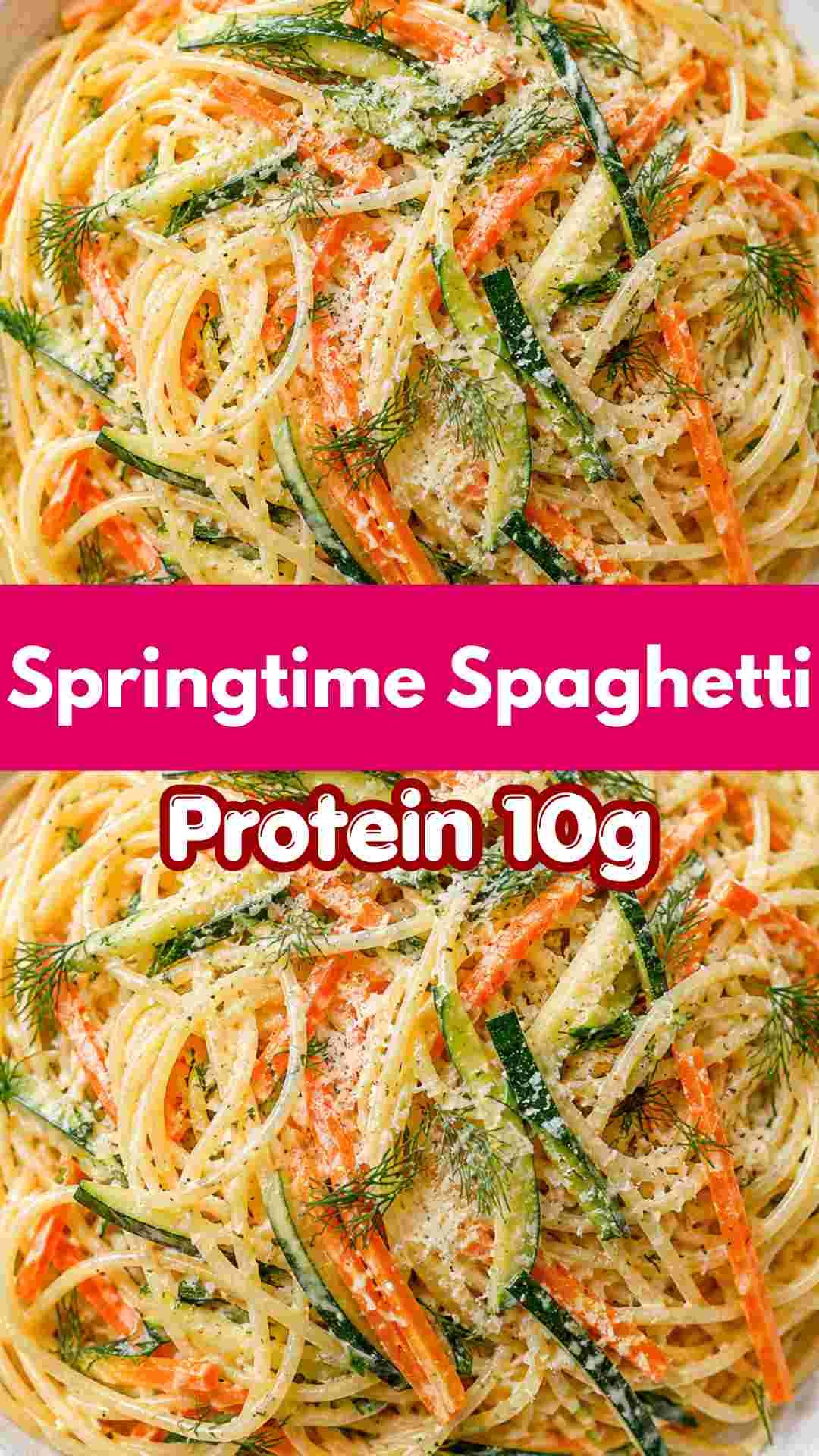
Enjoy creamy Springtime Spaghetti made with tender carrots, zucchini, Parmesan cheese, garlic, and fresh dill. This comforting pasta dish brings together colorful vegetables and a rich, creamy sauce for a simple dinner that feels both satisfying and fresh.
If you’re looking for easy diabetic meal ideas, this recipe can be adapted with mindful portions and balanced side dishes. Pairing a moderate serving of pasta with extra non-starchy vegetables and a suitable protein can make it easier to fit into a diabetes-conscious meal plan.
Why You’ll Love This Recipe
Springtime Spaghetti is an easy recipe for busy weeknights when you want something comforting without complicated preparation. The carrots and zucchini cook quickly, while garlic, Parmesan, cream, and fresh dill create a flavorful sauce that coats every strand of spaghetti.
You’ll also love how easy this recipe is to customize. You can add more vegetables, choose a higher-fiber pasta, or serve it with chicken, shrimp, or another suitable protein. These simple changes make it a flexible option for anyone collecting diabetes-friendly recipes and easy family meals.
Health Benefits of This Recipe
The vegetables in this Springtime Spaghetti provide useful nutrients while adding color, texture, and flavor to the meal. Zucchini is a non-starchy vegetable that adds volume, while carrots provide natural sweetness and important nutrients. Garlic and fresh dill add plenty of flavor without needing sugary sauces or heavy seasonings.
Parmesan cheese also contributes protein and calcium, while the pasta provides carbohydrates for energy. Because traditional spaghetti is carbohydrate-rich, portion size is important for people managing diabetes. Pairing the pasta with additional vegetables and a suitable protein can help create a more balanced meal.
What Makes This Recipe Diabetic-Friendly
This recipe can be adapted for a diabetes-conscious eating pattern because it does not rely on added sugar or sweetened sauces. The combination of vegetables, herbs, and savory Parmesan provides plenty of flavor without needing sugary ingredients.
However, spaghetti is still a significant source of carbohydrates, so portion awareness is important. For a more balanced diabetic meal, consider serving a moderate amount of pasta with extra non-starchy vegetables and a lean protein such as grilled chicken, fish, shrimp, or tofu.
Tips & Variations
For a more diabetes-friendly version, consider using a higher-fiber or whole-grain spaghetti if it fits your individual eating plan. You can also reduce the amount of pasta and increase zucchini, broccoli, spinach, mushrooms, or other non-starchy vegetables to make the meal more vegetable-forward.
This recipe is also easy to customize for different tastes. Add grilled chicken or shrimp for protein, swap fresh dill for parsley or basil, or add a little fresh lemon juice for brightness. A sprinkle of black pepper can also enhance the creamy Parmesan sauce.
How to Store and Meal Prep
Store leftover Springtime Spaghetti in an airtight container in the refrigerator. Because the recipe contains cream and cheese, refrigerate leftovers promptly and enjoy them within a few days for the best quality and freshness.
When reheating, use low to medium heat on the stovetop and add a small splash of water or milk if the sauce has become too thick. You can also microwave individual portions in short intervals, stirring between each interval. For meal prep, divide the pasta into sensible portions and pair it with extra vegetables or a suitable protein.
Common Mistakes to Avoid
One common mistake is overcooking the spaghetti or vegetables. Cook the pasta until tender but still firm, and sauté the carrots and zucchini until tender while keeping some texture. Also, avoid cooking the garlic over very high heat because it can quickly burn and develop a bitter flavor.
Another important mistake is overlooking portion size. Since spaghetti is carbohydrate-rich, simply adding vegetables does not automatically make the entire dish low-carb. If you’re following a diabetes-conscious eating plan, pay attention to your pasta serving and balance the meal with vegetables and an appropriate protein source.
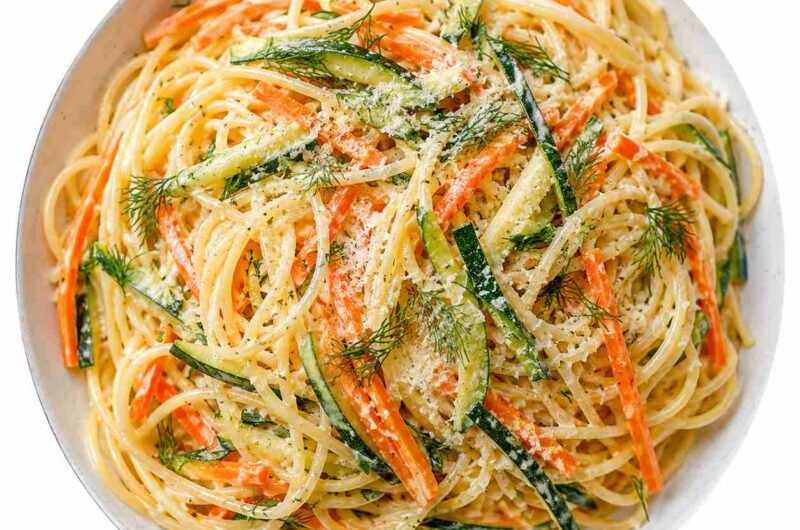
Springtime Spaghetti
Course: DinnerCuisine: AmericanDifficulty: Easy6
servings15
minutes20
minutes300
kcal35
minutesEnjoy creamy Springtime Spaghetti with tender carrots, zucchini, Parmesan, garlic, and fresh dill. A comforting, vegetable-filled meal that can be adapted for diabetes-friendly eating.
Ingredients
8 ounces spaghetti
2 tablespoons butter
3 large carrots, julienned
1 large zucchini, julienned
2 teaspoons minced garlic
¾ cup heavy cream
¾ cup grated Parmesan cheese
1 tablespoon chopped fresh dill
Instructions
- Bring a large pot of lightly salted water to a boil. Cook spaghetti in boiling water until tender yet firm to the bite, 8 to 10 minutes. Drain and set aside.
- Melt butter in a large skillet over medium heat. Sauté carrots, zucchini, and garlic in hot butter until tender. Stir in heavy cream, Parmesan cheese, and dill. Cook and stir until thickened. Add cooked spaghetti and mix until evenly coated.
Nutrition Facts (per serving)
| Nutrition | Per Serving |
|---|---|
| Calories | 336 kcal |
| Fat | 19g |
| Carbohydrates | 33g |
| Protein | 10g |
Springtime Spaghetti is a creamy, comforting pasta recipe that combines tender carrots, zucchini, garlic, Parmesan, and fresh dill in one easy meal. Its colorful vegetables and fresh herbs make a classic spaghetti dish feel bright and satisfying while keeping the preparation simple.
For people looking for diabetes-friendly recipes and practical diabetic meal ideas, this recipe can be adapted with sensible portions, extra non-starchy vegetables, and a suitable protein. Save this recipe for an easy weeknight dinner and customize it to fit your personal eating plan.