

Guinness Cupcakes with Guinness Frosting are a rich and chocolatey dessert made with cocoa powder, Irish stout, and a creamy frosting. The stout adds a deep roasted flavor that pairs beautifully with chocolate, while sour cream helps keep the cupcakes soft and tender. Finished with a smooth cocoa and cream cheese frosting, these cupcakes are a delicious choice for special occasions and chocolate lovers.
If you’re searching for diabetic meal ideas, low sugar recipes, or diabetes-friendly recipes, it’s important to note that the traditional version of these cupcakes is not diabetic-friendly as written because it contains white sugar, confectioners’ sugar, and refined flour. However, you can enjoy desserts more mindfully by using smaller portions and considering reduced-sugar ingredient alternatives that fit your individual dietary needs.
Why You’ll Love This Recipe
These Guinness Cupcakes are a fun twist on classic chocolate cupcakes. The combination of cocoa and stout creates a rich flavor without making the cupcakes overly complicated to prepare. The cupcakes are soft in the center, while the creamy frosting adds a smooth and indulgent finish.
Another reason to love this recipe is its flexibility. You can prepare the cupcakes ahead of time, adjust the amount of frosting, or experiment with suitable sugar alternatives if you’re looking for more diabetes-conscious dessert options. Individual cupcakes also make portion control easier than serving a large cake.
Health Benefits of This Recipe
Although these cupcakes are a dessert rather than a health food, some of their ingredients provide useful nutrients. Unsweetened cocoa powder contributes cocoa flavanols and gives the cupcakes a rich chocolate flavor without relying on sweetened cocoa mixes. Eggs provide protein and nutrients such as choline, while milk and sour cream contribute additional nutrients and moisture.
For people managing blood sugar, the overall carbohydrate and added-sugar content is more important than focusing on individual ingredients. The traditional recipe contains considerable amounts of white sugar and confectioners’ sugar, so it should not automatically be considered a diabetic-friendly dessert. Smaller portions and reduced-sugar modifications can make it easier to include an occasional treat in a balanced eating pattern.
What Makes This Recipe Diabetic?
The original Guinness Cupcakes with Guinness Frosting recipe is not a diabetic recipe as written. The cupcake batter contains white sugar and all-purpose flour, while the frosting contains a large amount of confectioners’ sugar. These ingredients contribute carbohydrates and added sugars that can affect blood glucose levels.
To create a more diabetes-conscious version, you can consider using baking-friendly sugar alternatives, choosing a suitable higher-fiber flour blend, and reducing the amount of frosting served on each cupcake. Portion size is also important. If you have diabetes, consider the carbohydrate content of the entire meal and follow the nutrition and dietary recommendations provided by your healthcare professional.
Tips and Variations
For the best cupcakes, avoid overmixing the batter after adding the flour. Mix just until the ingredients are combined, as excessive mixing can make the cupcakes dense. Allow the cupcakes to cool completely before adding the frosting so that the butter and cream cheese frosting stays thick and creamy rather than melting.
You can also customize the recipe according to your preferences. Try using less frosting for a lighter sweetness, or prepare smaller cupcakes to make portion control easier. For a diabetes-conscious variation, a suitable granulated sugar substitute can be used in the cake, while a powdered sugar alternative designed specifically for frosting may work in the topping. Always check the nutrition information of your chosen substitute.
How to Store and Meal Prep
Because the frosting contains cream cheese, frosted Guinness Cupcakes should be stored in an airtight container in the refrigerator. Keeping them chilled helps maintain the frosting’s texture and freshness. Before serving, you can allow a cupcake to sit at room temperature briefly so it becomes softer and more enjoyable.
For longer storage, consider freezing the cupcakes without frosting. Once completely cooled, wrap them individually or place them in a freezer-safe container. Thaw them in the refrigerator and add freshly prepared frosting afterward. This method is especially convenient if you’re preparing desserts ahead of a gathering.
Common Mistakes to Avoid
One common mistake is frosting the cupcakes while they are still warm. Heat can cause the butter and cream cheese frosting to become soft and slide off the cupcakes. Always allow the cupcakes to cool completely before decorating. Another mistake is adding too much batter to each muffin cup, which can cause the cupcakes to overflow as they rise.
It’s also important not to assume that changing one ingredient automatically makes this recipe diabetic-friendly. The traditional cupcakes contain several sources of carbohydrates and added sugar. If you’re managing diabetes, pay attention to the complete ingredient list, serving size, and total carbohydrate intake rather than relying on labels such as “healthy” or “diabetes-friendly.”
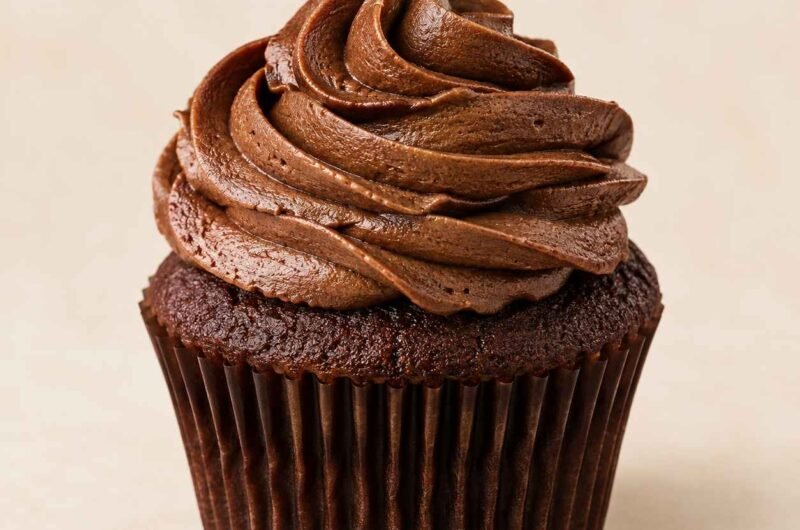
Guinness Cupcakes with Guinness Frosting
Course: DinnerCuisine: AmericanDifficulty: Easy24
servings20
minutes25
minutes300
kcal24 cupcakes
60
1
hour45
minutesGuinness Cupcakes with Guinness Frosting are rich, chocolatey, and tender with a creamy stout frosting. Get serving tips and diabetes-conscious ideas for enjoying this dessert responsibly.
Ingredients
1 (12 fluid ounce) can or bottle Irish stout beer (such as Guinness®)
½ cup milk
½ cup vegetable oil
1 tablespoon vanilla extract
3 large eggs
¾ cup sour cream
2 ½ cups all-purpose flour
2 cups white sugar
¾ cup unsweetened cocoa powder
1 ½ teaspoons baking soda
Frosting:
¼ cup unsweetened cocoa powder, or more to taste
¼ cup Irish stout beer (such as Guinness®)
½ cup butter, softened
½ cup cream cheese, softened
2 ½ cups sifted confectioners’ sugar, or more as needed
Instructions
- Preheat the oven to 350 degrees F (175 degrees C). Grease two 12-cup muffin tins or line cups with paper liners.
- Whisk stout beer, milk, vegetable oil, and vanilla extract together in a bowl until evenly blended. Beat in eggs 1 at a time, beating well after each addition. Mix in sour cream. Whisk together flour, sugar, cocoa powder, and baking soda in a separate bowl. Gradually mix the flour mixture ingredients into the beer mixture.
- Spoon cupcake batter into the prepared muffin cups, filling each 3/4 full.
- Bake in the preheated oven until cupcakes are risen and set in the middle but still soft and tender, about 25 minutes. Cool in the tins, then transfer to a wire rack to cool completely, about 1 hour.
- Whisk cocoa powder and stout beer together in a bowl. Beat in butter and cream cheese using an electric mixer until well combined. Gradually beat in confectioners’ sugar, 1 cup at a time, until frosting has desired sweetness. Spread or pipe frosting onto cooked cupcakes.
Nutrition Facts (per serving)
| Nutrient | Per Serving |
|---|---|
| Calories | 298 kcal |
| Total Fat | 13g |
| Carbohydrates | 43g |
| Protein | 4g |
| Fiber | 2g |
| Sugar | 24g |
| Sodium | 110mg |
Guinness Cupcakes with Guinness Frosting offer a delicious combination of rich chocolate, roasted stout flavor, and creamy frosting. They are soft, tender, and ideal for special occasions when you want to serve something a little different from traditional chocolate cupcakes. With proper preparation and cooling, they can also be made ahead for convenient entertaining.
For readers interested in diabetes-friendly recipes and low sugar recipes, remember that the traditional version is a higher-sugar dessert and should not be considered diabetic-friendly without modifications. Consider smaller portions, less frosting, and appropriate reduced-sugar substitutions based on your personal dietary needs.
Whether you’re baking for a celebration or simply craving a chocolate dessert, these cupcakes are best enjoyed mindfully and as an occasional treat. Pairing a reasonable portion with an overall balanced eating pattern can help you enjoy special desserts while staying aware of your nutritional goals.