
Enjoy a comforting Potato, Sausage and Egg Breakfast Casserole made with creamy eggs, savory turkey sausage, shredded potatoes, colorful bell pepper, and sharp Cheddar cheese. This easy breakfast comes together in one baking dish, making it a convenient choice for busy mornings, relaxed weekend breakfasts, or simple family brunches. The combination of familiar breakfast ingredients creates a warm, satisfying meal without requiring you to prepare several separate dishes.
Finding practical diabetic breakfast recipes can sometimes feel challenging, especially when you want something comforting and flavorful. This casserole offers a simple option that can be included in a diabetes-conscious eating pattern when you pay attention to portion size and the carbohydrate-containing ingredients. The potatoes and milk contribute carbohydrates, while eggs, turkey sausage, cheese, and bell pepper add variety and balance to the meal.
Whether you’re looking for easy diabetic meal ideas, make-ahead breakfasts, or simple recipes for busy mornings, this casserole is a delicious recipe to keep in your rotation. Prepare it once, divide it into portions, and enjoy an easy breakfast throughout the week.
Why You’ll Love This Recipe
This Potato, Sausage and Egg Breakfast Casserole is perfect when you want a homemade breakfast without spending a lot of time in the kitchen. Everything is combined in one bowl before being transferred to a baking dish, so there is very little preparation and cleanup. Once it goes into the oven, you can focus on getting ready for the day while breakfast cooks.
Another reason to love this recipe is its versatility. The combination of eggs, turkey sausage, potatoes, bell pepper, and Cheddar creates classic breakfast flavors that are easy to enjoy. You can also customize the casserole with additional non-starchy vegetables or different seasonings depending on what you have available.
For people collecting diabetes-friendly recipes, the casserole is also convenient for portioning. Instead of making breakfast from scratch every morning, you can bake one dish and divide it into individual servings. Pairing a reasonable portion with non-starchy vegetables can make it easier to build a balanced breakfast that fits your individual eating plan.
Health Benefits of This Recipe
The ingredients in this breakfast casserole provide a variety of nutrients that can make breakfast more satisfying. Eggs provide protein and several important nutrients, while bell peppers contribute vitamin C and beneficial plant compounds. Turkey sausage adds savory flavor, and Cheddar cheese contributes calcium and additional protein. Together, these ingredients create a hearty breakfast combination.
The red bell pepper is especially useful for adding vegetables to the meal without relying on a large amount of carbohydrates. Its naturally sweet flavor complements the savory sausage and cheese, while its bright color makes the casserole more appealing. You can increase the amount of bell pepper or add other non-starchy vegetables if you want to make the dish more vegetable-forward.
It is important to remember that this recipe is not carbohydrate-free. The shredded hash brown potatoes and milk contribute carbohydrates, so portion size matters for people managing blood sugar. A diabetes-conscious approach is about considering the complete meal, including carbohydrate portions, vegetables, protein-containing foods, and beverages, rather than simply labeling individual ingredients as good or bad.
What Makes This Recipe Diabetic-Friendly?
A recipe can be part of a diabetes-friendly eating pattern without being completely free of carbohydrates. This casserole uses eggs, turkey sausage, bell pepper, and cheese alongside a controlled amount of potatoes. Paying attention to the serving size can help you account for the carbohydrates provided by the potatoes and milk.
The recipe also gives you an easy opportunity to add more non-starchy vegetables. Serving the casserole with cucumber, tomatoes, leafy greens, spinach, or another vegetable side can add variety and help create a more balanced plate. Choosing water or another unsweetened beverage can also help keep unnecessary added sugars out of the meal.
For individual diabetes management, carbohydrate needs and blood sugar responses can vary considerably. If you have specific carbohydrate targets, use the nutrition information for the ingredients you purchase and follow the recommendations provided by your healthcare professional or registered dietitian.
Tips & Variations
For the best texture, make sure your ingredients are distributed evenly throughout the baking dish. Stir the egg mixture, sausage, potatoes, bell pepper, and cheese until everything is combined before transferring it to the dish. Avoid adding excessive amounts of wet vegetables without draining them first, as extra moisture can make an egg casserole watery.
You can also customize this recipe with additional vegetables. Chopped spinach, mushrooms, broccoli, green bell pepper, or extra red bell pepper can all work well. If using frozen vegetables, thaw and drain them before adding them to the casserole. Fresh herbs such as parsley, chives, or green onions can also add plenty of flavor without requiring much additional seasoning.
If you are watching sodium, pay attention to the turkey sausage, Cheddar cheese, and garlic salt. You can choose lower-sodium versions where available or replace garlic salt with garlic powder and season the casserole more lightly. Using sharp Cheddar can also provide plenty of cheese flavor without needing a large amount.
How to Store and Meal Prep
This casserole is an excellent choice for breakfast meal prep because it can be divided into individual portions after baking. Allow the casserole to cool slightly, then cut it into portions and place them in airtight containers. Refrigerated portions can be kept for several days, making it easy to grab breakfast when mornings are busy.
For longer storage, individual portions can be placed in freezer-safe containers and frozen. Labeling the containers with the date can help you keep track of your freezer meals. For the best texture, thaw frozen portions overnight in the refrigerator before reheating them the next day.
When reheating, make sure the center is heated thoroughly. Microwave individual portions in short intervals, checking between each interval to prevent overheating. You can also reheat the casserole in an oven or toaster oven if you prefer a firmer texture. Pair a reheated portion with fresh vegetables for a simple, convenient breakfast.
Common Mistakes to Avoid
One common mistake is adding too many potatoes or other carbohydrate-containing ingredients without considering the serving size. Potatoes can absolutely be included in many eating patterns, but they contribute carbohydrates. If you are managing diabetes, keeping the recipe and portion close to your planned serving can make carbohydrate tracking easier.
Another mistake is adding vegetables without considering their moisture content. Ingredients such as zucchini, mushrooms, and frozen spinach can release water during baking. If you use them, cook or drain them first. This helps prevent the casserole from becoming watery and allows the eggs to set properly.
Finally, avoid removing the casserole from the oven too early. The center needs enough time to cook completely. Check the middle with a knife to make sure it is set before serving. Allowing the casserole to cool for a few minutes after baking also helps it firm up, making it easier to cut and serve neatly.
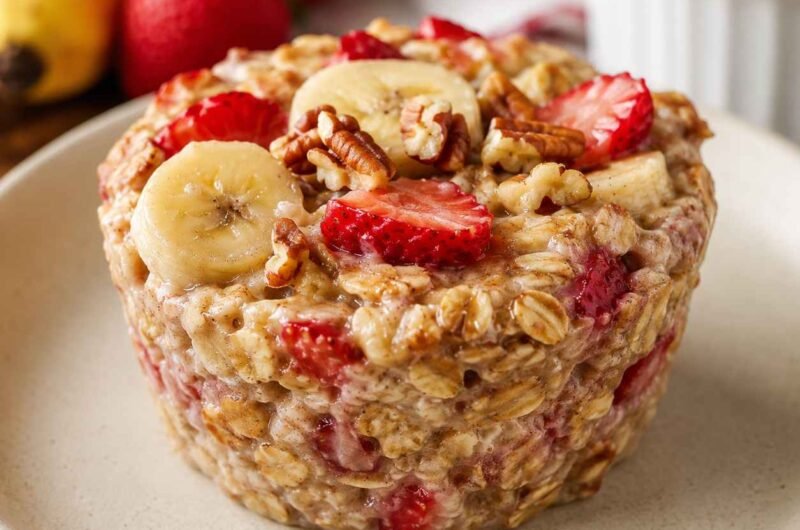
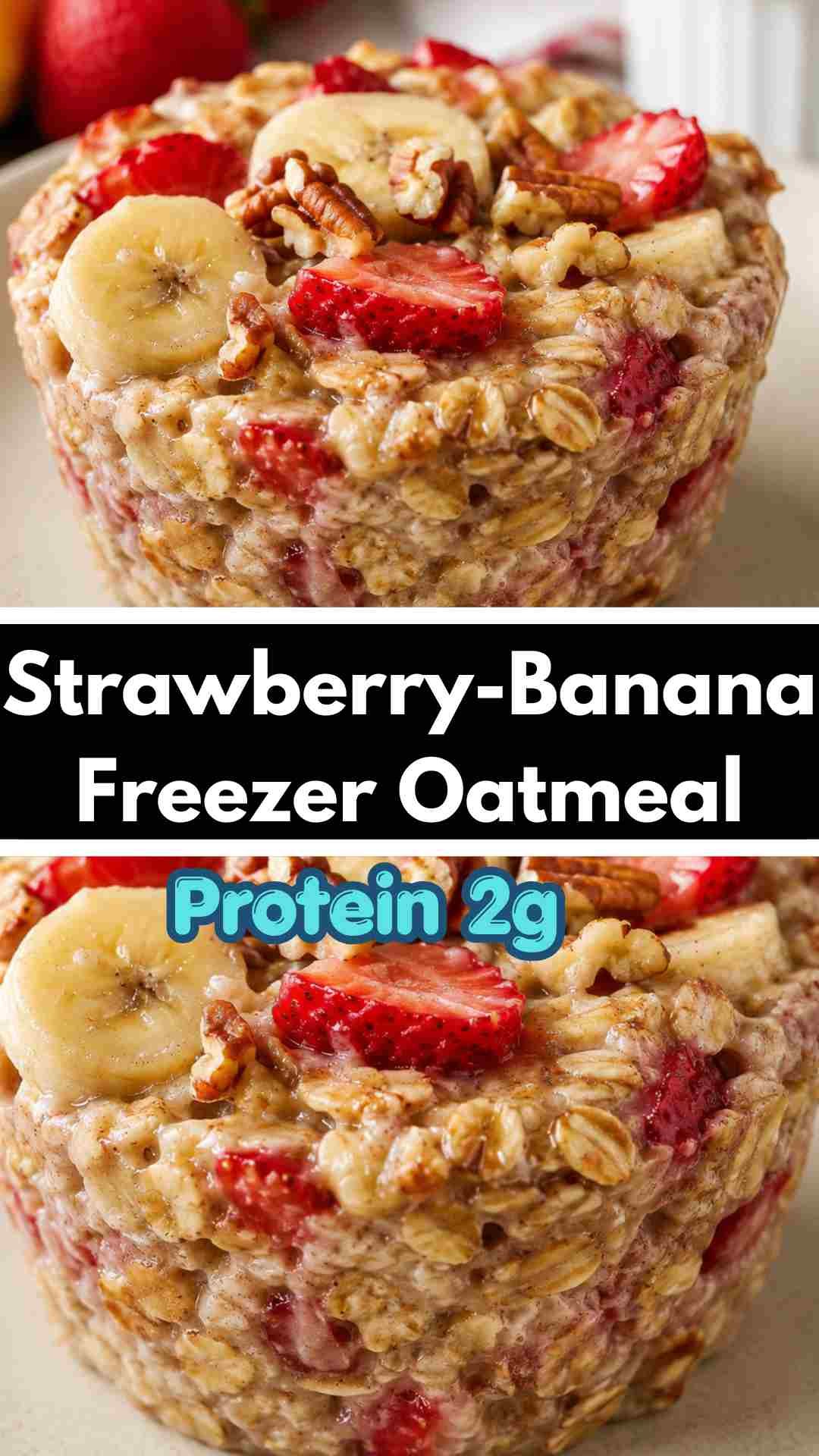
Strawberry-Banana Freezer Oatmeal
Course: BreakfastCuisine: AmericanDifficulty: Easy18
servings10
minutes5
minutes300
kcal18 servings
8 hrs 10 mins
8
hours25
minutesEnjoy easy Strawberry-Banana Freezer Oatmeal with oats, strawberries, banana, cinnamon, and pecans. Learn simple swaps to make this freezer-friendly breakfast more diabetes-conscious.
Ingredients
1 cup white sugar, divided
2 cups fresh strawberries, sliced
3 cups water
2 cups almond milk
2 ½ cups old-fashioned oats
1 ½ cups bananas, mashed
1 teaspoon cinnamon
1 teaspoon vanilla extract
¼ teaspoon salt
⅛ teaspoon ground nutmeg
½ cup pecans, chopped
Instructions
- Sprinkle 1/2 cup sugar over sliced strawberries in a bowl. Let rest until juices have been released, 10 to 15 minutes.
- Boil water and almond milk together in a large pot. Add oats and cook over medium-low heat for 5 minutes, stirring frequently. Stir in strawberries, remaining 1/2 cup sugar, bananas, cinnamon, vanilla extract, salt, and nutmeg and remove from heat. Stir in pecans.
- Grease 18 muffin cups and fill each to the top with oat mixture, mounding a bit. Freeze 8 hours to overnight. Remove oatmeal from muffin cups and place in freezer bags or a freezer-safe container.
- Prepare 1 frozen oatmeal cup by placing in a microwave-safe bowl and heating in a microwave oven for 1 1/2 to 2 minutes.
Notes
- For thinner oatmeal, add milk. You can use any animal- or plant-based milk you like. You can slice the bananas instead of mashing, too.
Nutrition Facts (per serving)
| Nutrient | Amount |
|---|---|
| Calories | 137 kcal |
| Fat | 3g |
| Carbs | 26g |
| Protein | 2g |
Strawberry-Banana Freezer Oatmeal is a simple and convenient breakfast that brings together creamy oats, sweet strawberries, banana, warm cinnamon, and crunchy pecans. Its freezer-friendly format makes it especially useful for meal prep, allowing you to prepare multiple portions in advance and enjoy a homemade breakfast throughout the week.
For a more diabetes-conscious version, focus on removing the added white sugar, choosing unsweetened almond milk, and paying attention to portion size. With these simple adjustments, this comforting oatmeal can fit into a balanced collection of diabetic meal ideas and lower-sugar breakfast recipes. Prepare a batch ahead of time, keep it in the freezer, and enjoy an easy breakfast whenever you need it.