
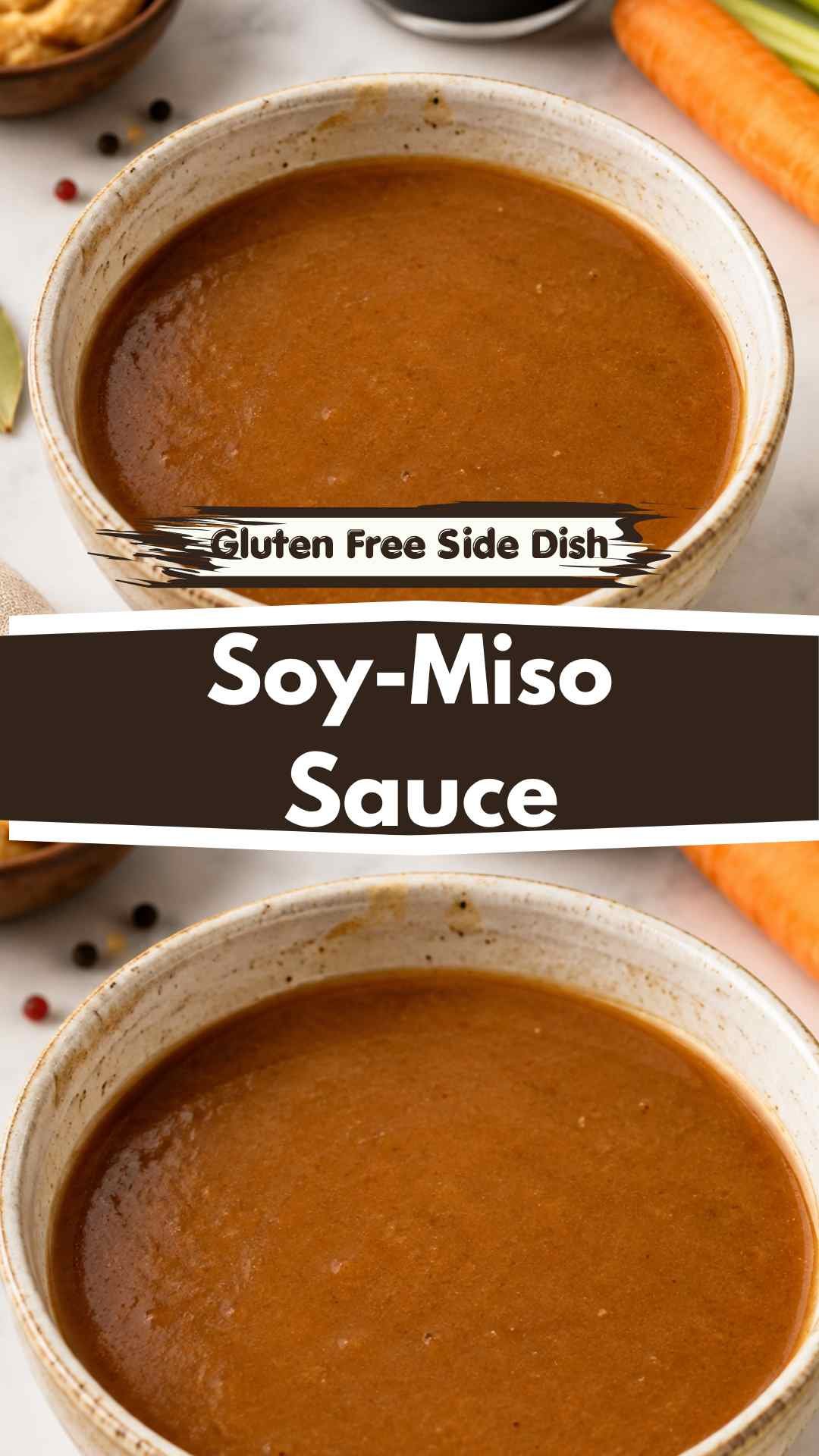
Soy-Miso Sauce is a rich, savory sauce that brings deep flavor to everyday meals without relying on added sugar. Made with beef stock, onion, celery, carrot, tomato, less-sodium soy sauce, and white miso paste, it has a delicious combination of umami, mild sweetness, and comforting richness.
For anyone looking for flavorful Diabetes-friendly recipes, this sauce is a useful addition to the kitchen. It can turn simple foods such as roasted vegetables, lean meats, or cauliflower mash into a more satisfying meal. Since the sauce is concentrated and flavorful, a small serving can add plenty of taste.
This recipe is also a practical option for diabetic meal ideas because it can be prepared ahead and used throughout the week. Pair it with balanced portions of protein and non-starchy vegetables for a flavorful, diabetes-conscious meal.
Why You’ll Love This Recipe
There is something special about making a homemade sauce from simple ingredients. The browned flour roux gives this Soy-Miso Sauce its rich body, while beef stock provides a savory foundation. Onion, celery, carrot, and tomato add extra layers of flavor without needing sugary ingredients.
Rich and savory flavor with plenty of umami
No added granulated sugar
Made with everyday kitchen ingredients
Uses less-sodium soy sauce and reduced-sodium beef stock
Great for meal prep and make-ahead cooking
Versatile enough for meat and vegetable dishes
A flavorful addition to many Diabetes-friendly recipes
Easy to portion for balanced meals
The sauce is especially useful when you want to make a simple meal feel more special. Instead of depending on sweet bottled sauces, you can use a small amount of homemade Soy-Miso Sauce to add complexity and richness to your plate.
Health Benefits of This Recipe
This Soy-Miso Sauce includes several vegetables that contribute flavor and useful nutrients. Onion, celery, and carrot form the aromatic base, while tomato puree or tomato paste provides acidity and a naturally savory taste. Using vegetables as part of the flavor base is a simple way to create satisfying sauces without depending heavily on added sugars.
The recipe also uses reduced-sodium beef stock and less-sodium soy sauce. These choices can help reduce sodium compared with versions made with regular products, although the finished sauce still contains sodium from the stock, soy sauce, and miso. For this reason, taste before adding extra salt and keep serving portions reasonable.
For people following a diabetes-conscious eating pattern, the overall meal matters more than the sauce alone. Serve this sauce with lean protein, plenty of non-starchy vegetables, and an appropriate portion of carbohydrate-containing foods. This makes it easier to enjoy flavorful low sugar recipes while keeping the entire meal balanced.
What Makes This Recipe Diabetic-Friendly
One of the helpful features of Soy-Miso Sauce is that it contains no added granulated sugar. Many prepared sauces and gravies can contain added sugars, so making your own allows you to control the ingredients and customize the flavor according to your needs.
The vegetables and tomato provide flavor naturally, while soy sauce and miso add strong umami notes. Because these ingredients are concentrated, you don’t need a large amount of sauce to make a meal taste delicious. Using a moderate portion can make the sauce easier to include in a diabetes-friendly meal plan.
Keep in mind that this recipe does contain flour and naturally occurring carbohydrates from vegetables and tomato. It should therefore not automatically be considered a very-low-carb recipe. If you are monitoring carbohydrates closely, consider the nutrition of the entire meal and use your preferred portion size.
Tips and Variations
For the best flavor, take your time when browning the roux. Cook the butter and flour mixture over medium-low heat until it develops a deep brown color and nutty aroma, but be careful not to burn it. A properly browned roux gives the finished sauce much of its characteristic depth.
Gradually whisk in the beef stock to help create a smooth sauce. Allowing the stock to simmer and reduce is also important because it concentrates the flavor and gives the sauce a thicker consistency. Finally, add the soy sauce and white miso after straining so their flavors remain noticeable.
You can also adjust how you serve the sauce depending on your meal. Try it over roasted cauliflower, broccoli, mushrooms, green beans, chicken, lean beef, or cauliflower mash. For a lower-sodium approach, continue using reduced-sodium stock and less-sodium soy sauce, and avoid adding unnecessary extra salt.
How to Store and Meal Prep
Soy-Miso Sauce is a convenient make-ahead recipe because it can be prepared before you need it. Once cooked, allow it to cool appropriately and transfer it to a clean, airtight container. Refrigerate it and use it within a few days for the best quality and flavor.
For meal prep, consider dividing the sauce into smaller portions before refrigerating or freezing. Individual portions make it easy to take out only what you need for one meal. This is especially helpful if you’re preparing several diabetic meal ideas for busy weekdays.
When reheating, warm the sauce gently in a saucepan over low to medium-low heat, stirring occasionally. If it becomes too thick after chilling, whisk in a small amount of water or reduced-sodium stock until it reaches the consistency you prefer. Frozen portions should be thawed safely before reheating.
Common Mistakes to Avoid
One common mistake is rushing the roux. The flour needs enough time to brown and develop its nutty aroma, but excessive heat can burn it quickly. Keep the temperature controlled and whisk continuously while the roux cooks.
Another mistake is adding too much salt at the beginning. Beef stock, soy sauce, and miso can all contribute significant sodium, and the sauce becomes more concentrated as it reduces. Start with a small amount of salt and taste the finished sauce before deciding whether it needs more.
Finally, don’t skip the straining step if you want a smooth, polished sauce. Straining removes the cooked vegetable pieces and gives the sauce a silky texture. Also avoid using an excessive amount when serving—the goal is to enhance your meal rather than overpower the other ingredients.
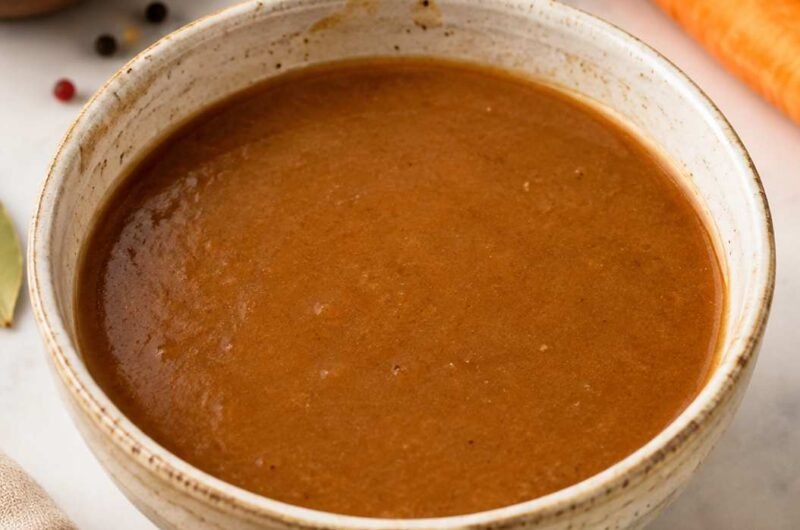
Soy-Miso Sauce
Course: BreakfastCuisine: AmericanDifficulty: Easy10
servings10
minutes50
minutes300
kcal2 1/2 cups
1
hourSoy-Miso Sauce is a rich, savory sauce made with beef stock, vegetables, low-sodium soy sauce, and white miso. A flavorful option for diabetes-friendly meals and low-sugar recipes.
Ingredients
1/4 cup butter
1/2 cup chopped onion
1/4 cup chopped celery
1/4 cup chopped peeled carrot
1/4 cup flour
1/4 cup tomato puree or 2 tablespoons tomato paste
4 cups 50 percent less-sodium beef stock
1 bay leaf
pinch of salt
pinch of black pepper
2 tablespoons less-sodium soy sauce
1 tablespoon white miso paste
Instructions
- Melt butter in a medium saucepan over medium-high heat. Add onion, celery, and carrot. Cook, stirring occasionally, until onion is translucent and softened, about 6 minutes. Reduce heat to medium-low. Gradually whisk in flour; cook, whisking constantly, until roux is deep brown and has a rich, nutty aroma, about 5 minutes. Whisk in tomato purée. Cook, whisking constantly, 1 minute.
- Whisk in beef stock; add bay leaf, salt, and pepper. Bring to a boil. Reduce heat to medium-low; simmer, stirring occasionally, until reduced by one-third (to about 2 1/2 cups) and mixture thinly coats the back of a spoon and holds a line when you draw a finger through it, about 45 minutes. Strain through a fine-mesh sieve into a bowl; whisk in soy sauce and miso.
Nutrition Facts (per serving)
| Nutrient | Amount |
|---|---|
| Calories | 72 kcal |
| Fat | 5g |
| Carbohydrates | 5g |
| Protein | 2g |
Soy-Miso Sauce is a flavorful homemade option for adding rich, savory taste to everyday meals. Its combination of beef stock, vegetables, tomato, less-sodium soy sauce, and white miso creates a satisfying sauce without the need for added granulated sugar.
For people searching for Diabetes-friendly recipes, diabetic meal ideas, and low sugar recipes, this sauce can be a useful recipe to keep in your collection. Use a moderate portion and pair it with lean protein and plenty of non-starchy vegetables for a more balanced plate. Whether you’re preparing a quick weeknight dinner or planning meals ahead, this versatile sauce can make simple ingredients taste more exciting.